Showing posts with label freelance. Show all posts

Wednesday, May 04, 2022

“…but how long did it take you get your STYLE’?”

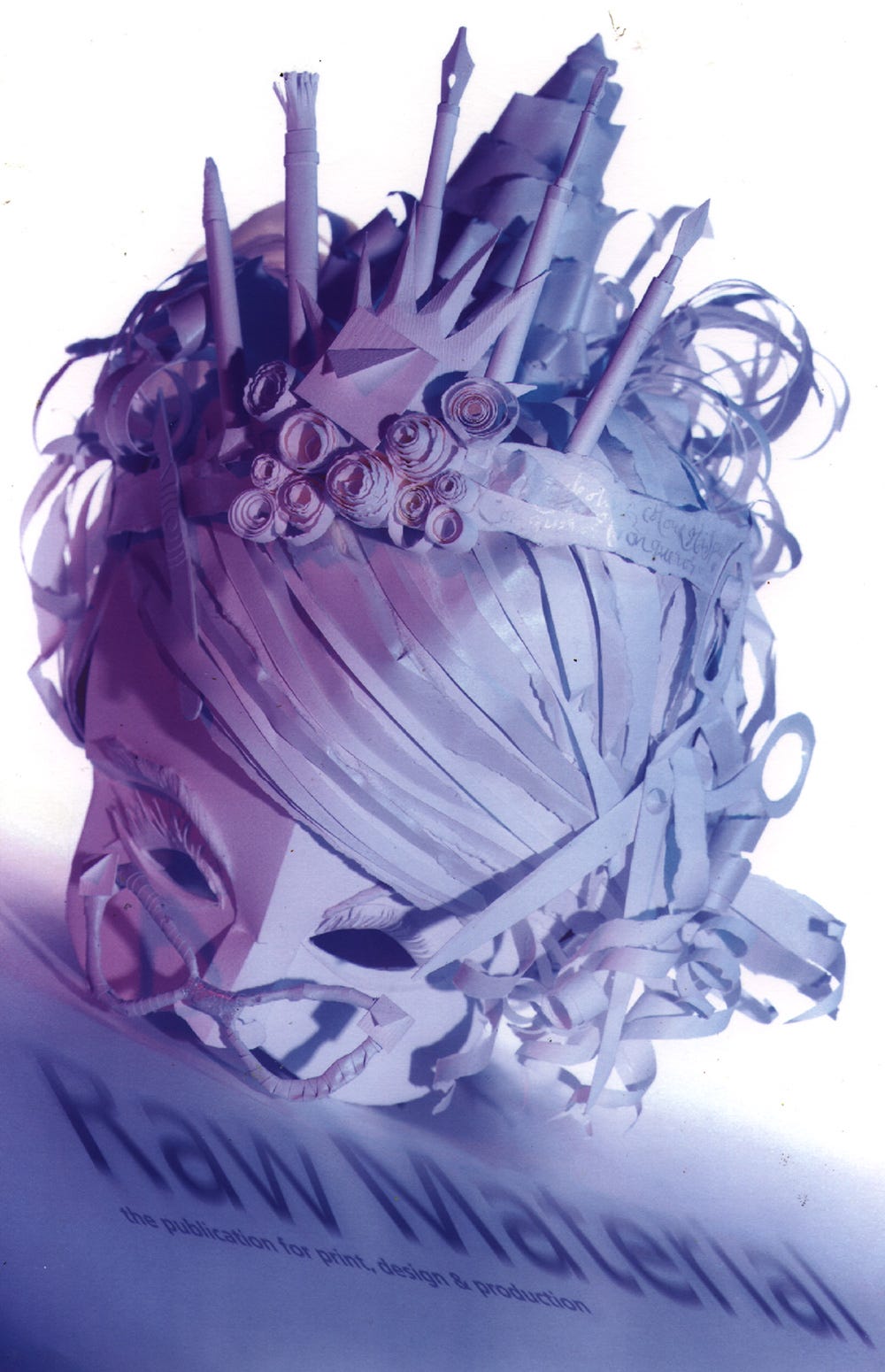
Created in paper and polystyrene for Arjo Wiggins Fine Papers, about 1997/8.

I do a lot of talks and seminars for schools and colleges, and one of the questions I get asked the most is “how important is it to have a ‘style’?” — followed by “how long did it take you to get your own style”?

My answer to this is not straightforward. Have a quick scan down the sample images in this post — they’re all from the same period of about 7 years, from graduation onward. You can see what was going on; I’d graduated with a portfolio of wildly ambitious 3D work, built pieces for the stage, costumes and models as well as poster designs and storyboards and illustrations full of lettering and ink. I basically wanted to do Everything — and, I would pretty much go on to do that, but for a young illustrator starting out the resultant folio was what clients described as ‘exciting but confusing’.

How would I get this (pre-internet) 3D work to them? It would all need photographing — would the client pay me for that? If they give me a brief, how do they know what they’ll get back — will it look like this, or this?

A magazine editorial from about 1998/9. This one actually got me a LOT of work.

I liked to build stuff, I loved to work on a large scale with pastel pencils (you can see an A0 example of that in the slides) AND with my inks, and I loved lettering (I won awards for it and was one of the earliest to posit hand lettering as a ‘thing’ you could commission in its own right — more on that in a separate blog) but I was also fascinated by digital; check out the work I did for the panto dames!

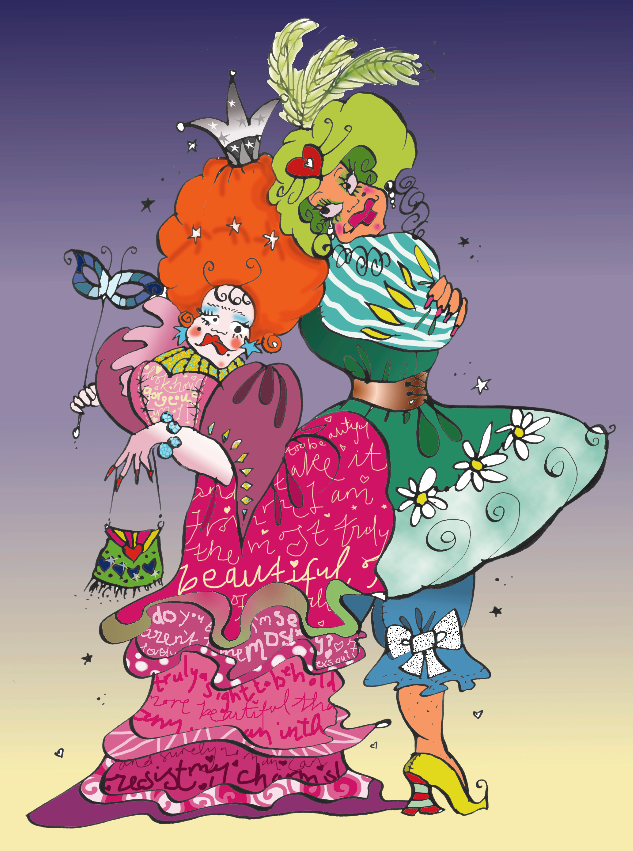
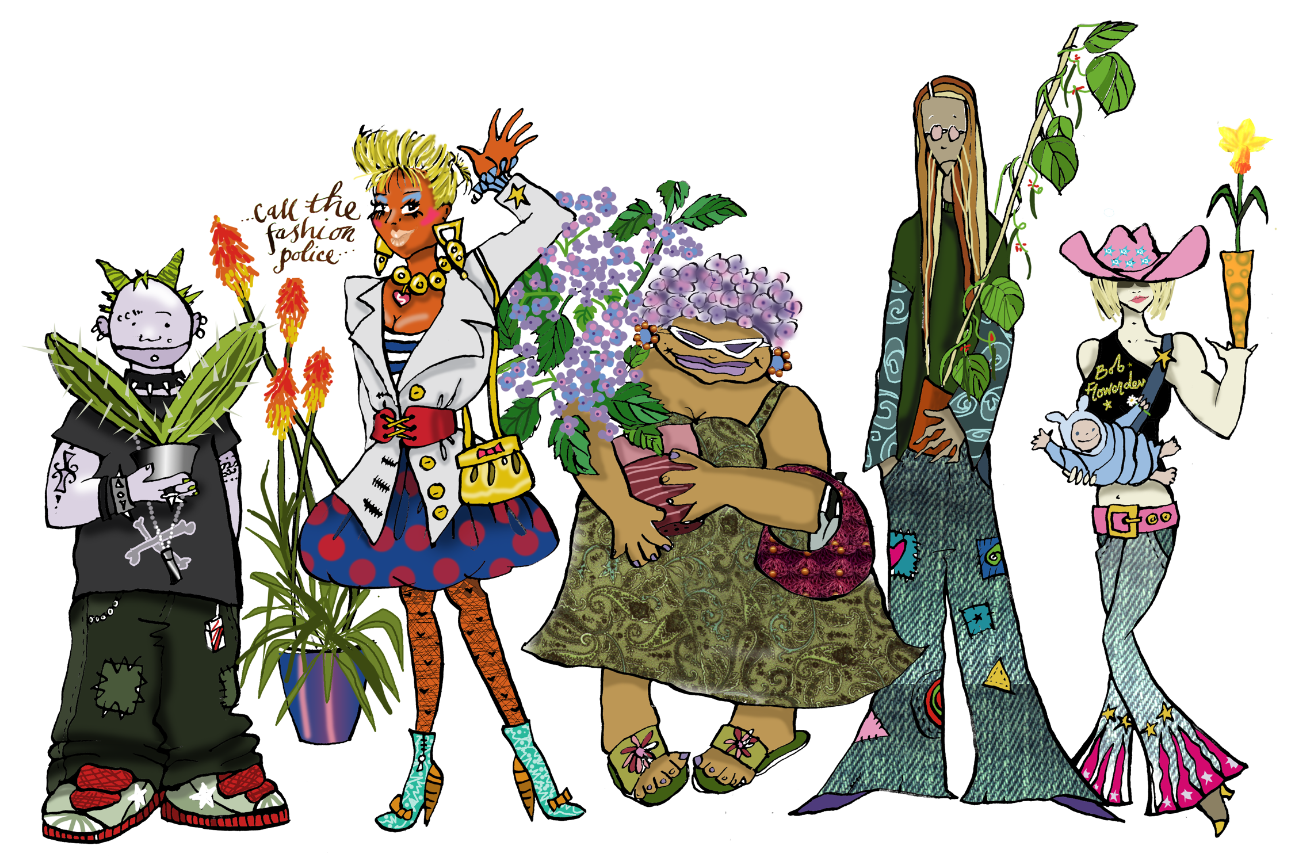
The Panto Dames! I did not know how to use layers properly.

Clumsy but wildly energetic, I was quite literally laughing as I drew them; they were real panto dames. What made people like this image is the energy and the humour — those things eclipsed the lack of sophistication (and lack of Wacom tablet) in the rendering. I only had a mouse then, so you can see that the work here was created with an ink drawing which was then digitally coloured.

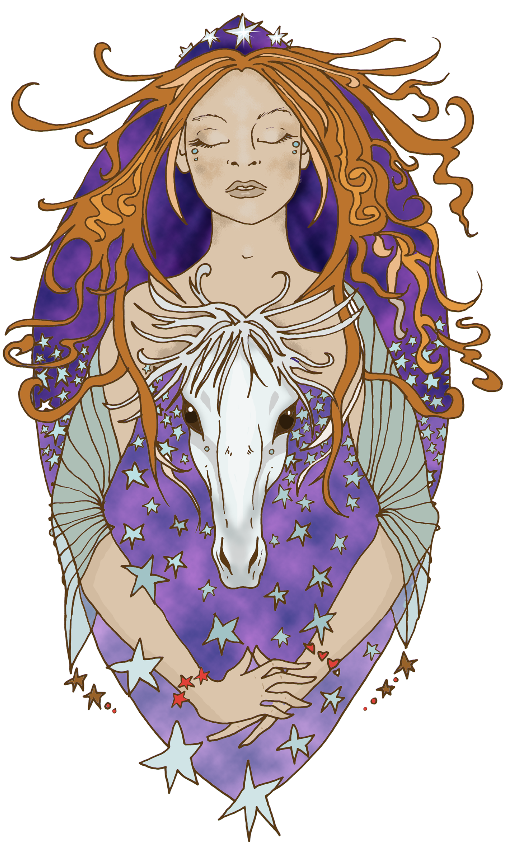
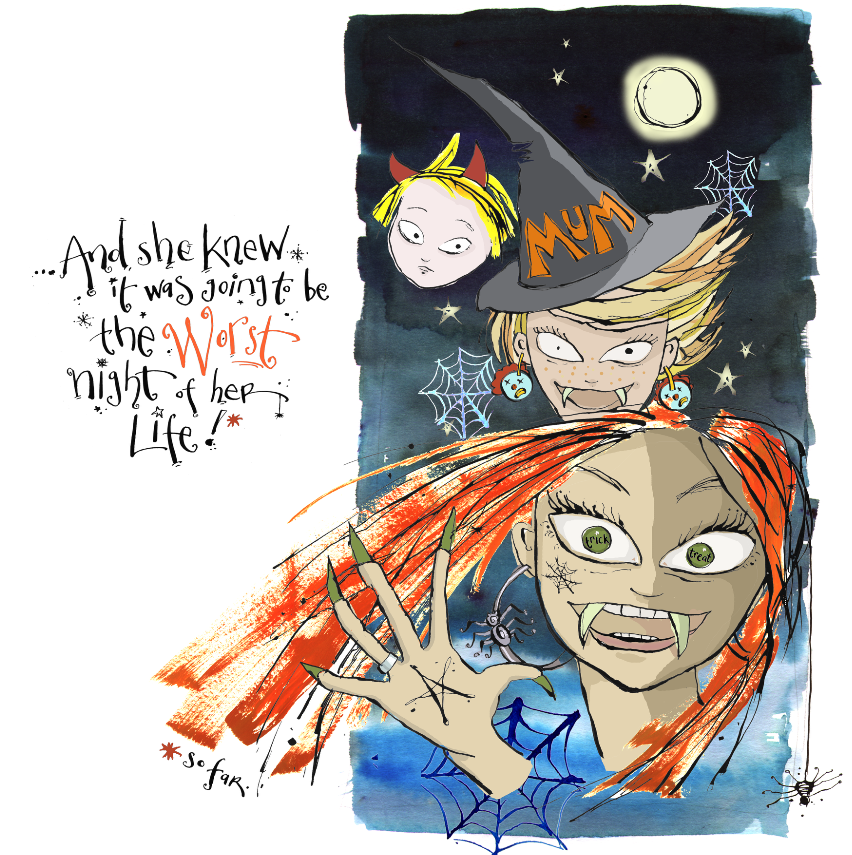
I don’t get horses, at all, but at one point found myself doing a monthly slot for Your Horse magazine. Woah there.
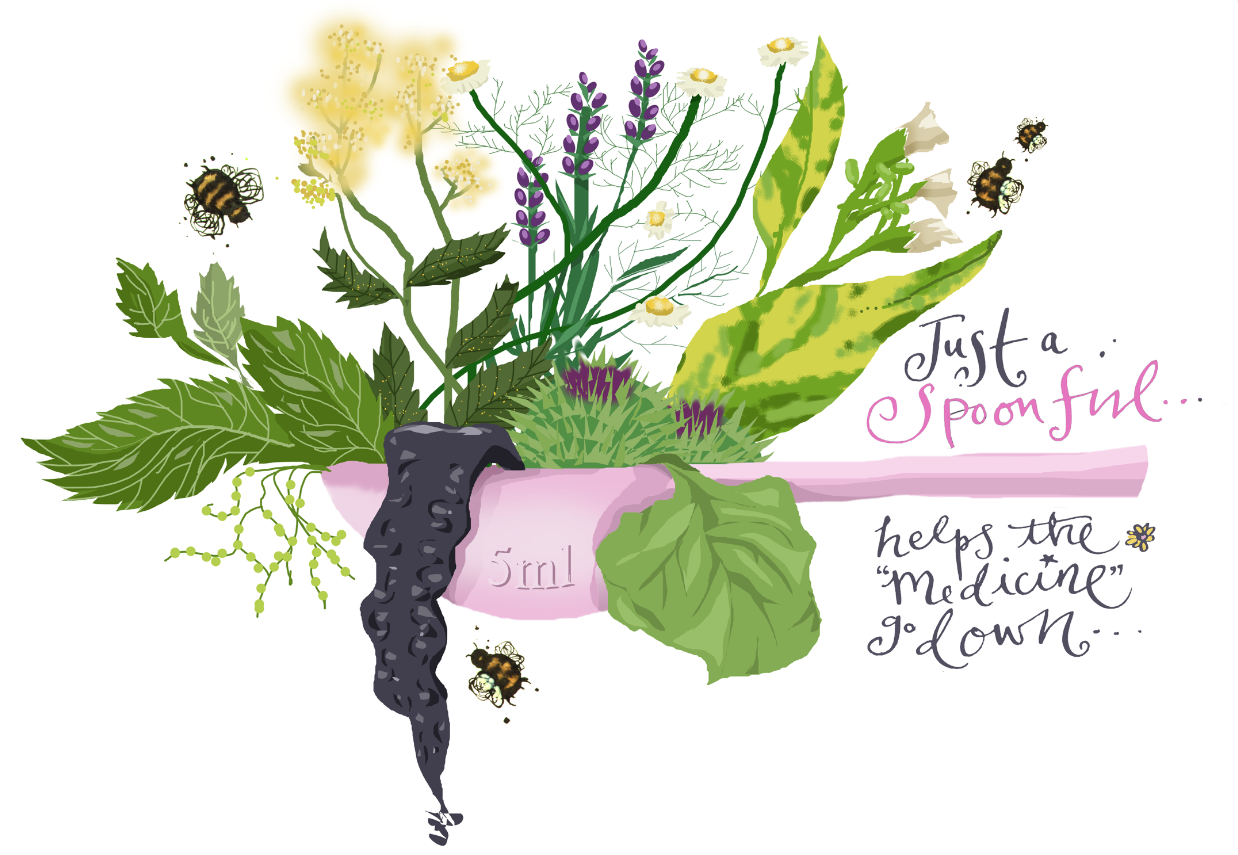
And this was one of a series for a bestselling gardening magazine. I had about a week to do each one, and regular income was very welcome at that time! They looked the same as the flyers I was simultaneously creating for the pirate radio station I was working on.

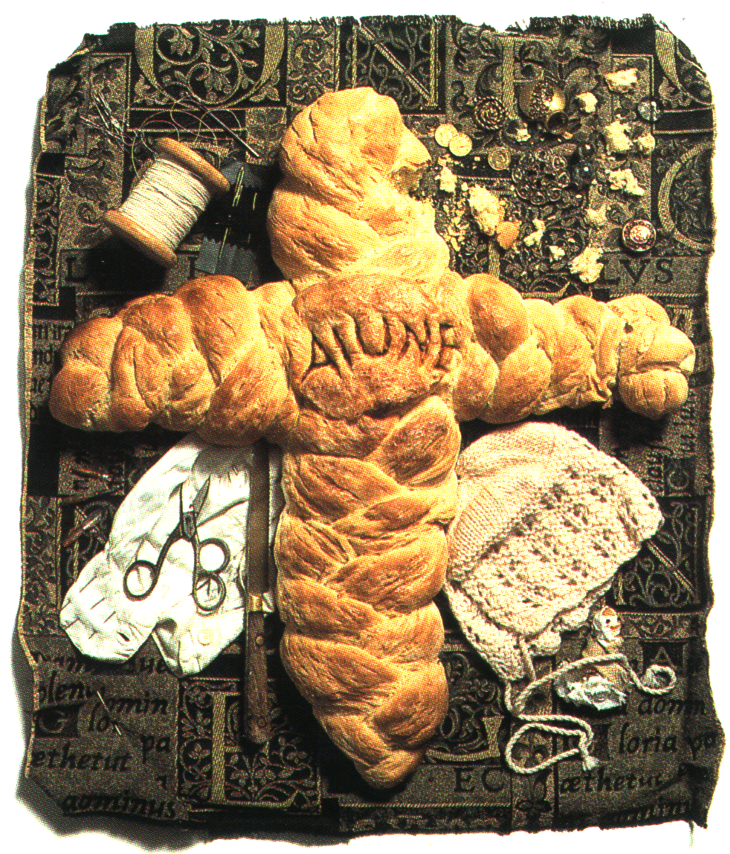
I went on to have multiple magazine series in that style, so I suppose it could be argued that was ‘a style’ for a while — but running simultaneously, I also illustrated a magazine column once a month with built, almost set-like pieces which were photographed, like this (yes, this one involved baking real bread; real baby clothes and a real self-made poppet doll. I ate none of them afterwards, and the illusatration actually lasted for years).

All of these images are very ‘me’, but it isn’t one style and it’s definitely not one medium.

In fact, I’ve always viewed this multi-medium thing as a blessing, not a curse. It means I’ve been able to turn my hand to a vast array of opportunities that, had I favoured one style, medium or way of working at the exclusion of all others, I would not have been willing or able to tackle. It’s made me flexible, adaptable and, in a lot of cases, bold — the ‘sure, I can do that!’ approach (say yes now, worry about it later). A 15m mural in paint? Check. A 3D piece to illustrate a spoken word poem? Check. Detailed pen and ink drawings for a ghost story? Check. Fast digital pieces for an urgent editorial? Check. A set of animated GIFS? Check.

You get the idea.

Some people use pseudonyms to identify their different styles — an example is Toby Leigh who also works as Tobatron, or Tim McDonagh who also works as Avril15. Those identities exist to make sure you know which of their worlds you’re in, and that’s definitely something I’ve thought about over and over again — I even have the names worked out. But I’ve never actually done it…maybe I still will, though, and it could work for you, too, with careful consideration and enough work to hang under each banner — this is important, as clients will need to see that you’re well-versed and a ‘safe pair of hands’ in all of the styles or identities you put forward.

Personal work from a book project that I shelved. I might un-shelve it — though the artwork would look very different today! (the toddler in the picture is now a post-grad).
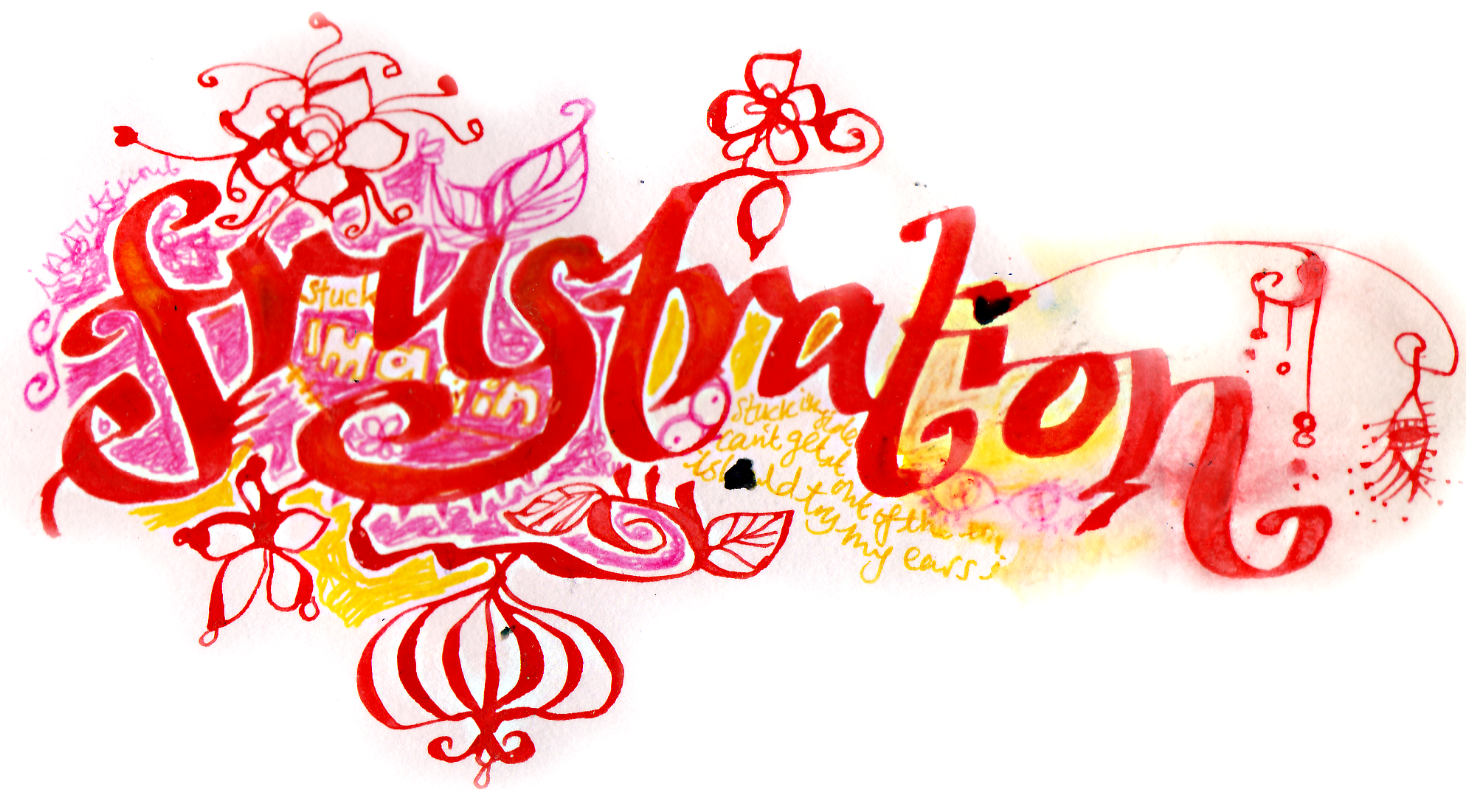
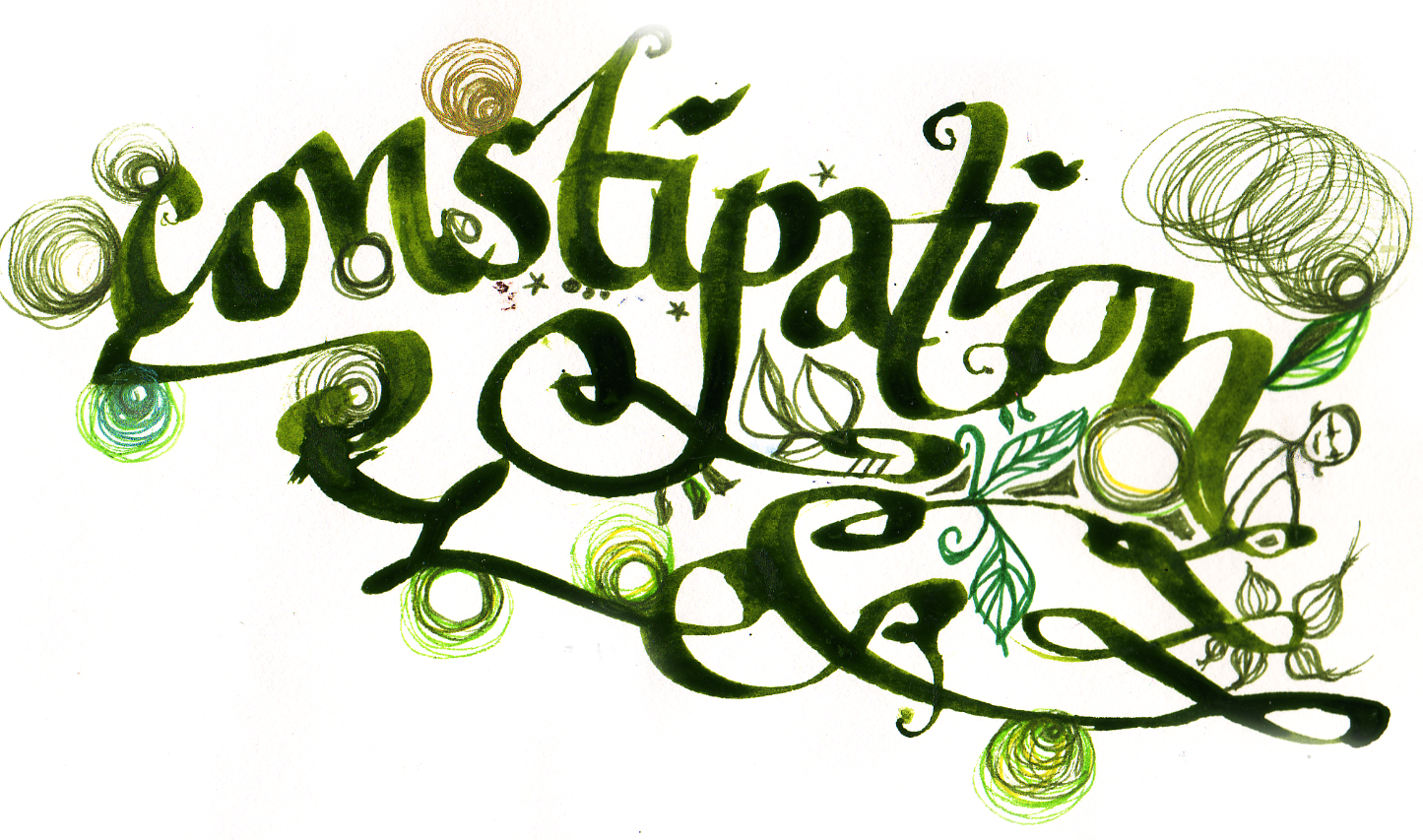
These two lettering pieces were created in an Edinburgh hotel room, in the middle of what felt like a little breakdown. I was creatively stuck, feeling at a dead end, and really upset, but was away for the week teaching degree students about illustration — so feeling like a massive fraud. My partner suggested combining some of the lettering I’d been doing for years with flowers and plants, and some of the darker stuff I liked to draw. Thank god he did; the work that nervously emerged that week saved me, and set me on the path for the next decade.

Over time, my ways of working all combined to create a body of work that utilises several different media, but hangs together as a look which is definitely ‘mine’. And the ‘mine’ comes via the movement, the energy, the content and the vibe, rather than the equipment I used to make it.

So I say, DO NOT worry about ‘style’ — if you see someone who looks to have a really strong visual language or colour scheme or way of working, they’ve likely had a long time to develop that. Maybe they don’t actually HAVE other ways of working — maybe they can’t! — or maybe they just don’t feel comfortable offering more than one look. And what you probably won’t see are the mountains of work that led to what you see in front of you.

Friday, March 11, 2022

Sleep gone to the devil? It’s horrible, but this is what’s been helping me.


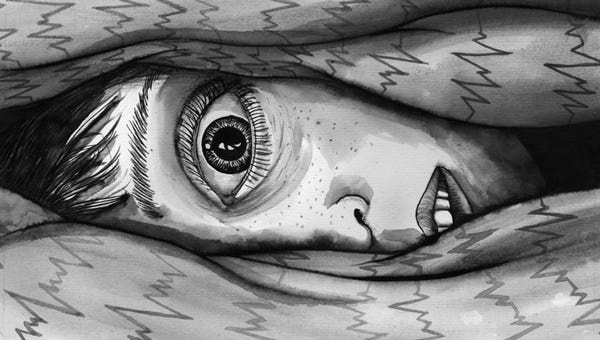
From ‘Only If You Dare’ - illustration by me, for Josh Allen’s book. I know just how this poor little lad feels! ©Sarah J. Coleman

Oh no...I'm awake.

My sleep disruption began many months ago as a product of, I think, a combination of pandemic, work anxieties, and a major hormonal re-wiring (the whole dashboard out, y’know the kind).

I would get to sleep just fine, but wakefulness would boot me out of my slumber every single night, always around 3am, and last anywhere from an hour to…the rest of the night.

I’m my own boss, which means that technically I can ‘get up when I want’, but I really can’t; I still have a full 8+ hours of work every single day, clients depending on me, and the other, myriad responsibilities that come with running a small company. And the later I would get up, the worse I felt — physically and emotionally, since there’s still a stigma attached to ‘people who get up late’ — and the more I worried about the whole thing.

I recently shared a couple of things on social media and in my regular newsreel which clearly rang a bell with a lot of people, so I’m sharing and expanding on those things here.

So, the causes of waking up I couldn’t do an awful lot about, but I could control how I felt before I went to sleep, during wakefulness and during the day. I quickly established that late caffeine was one factor (after about 20 years of being completely caffeine free, I’d gradually discovered the joys of strong fresh-ground coffee again over lockdown). So no coffee after 2pm — 3m at a push. After that, all-decaf-everything.

The I worked out that I was eating too late at night — has to be before 8pm now — ideally at 7 — or I really am affected. Your poor body’s trying to digest when you should be asleep!

THEN I realised I was still on my phone answering email and messages late at night, sometimes actually in bed — in my book, that’s a a dirty habit, but one I found I’d slacked into (that’s why they call it ‘sleep hygiene’).

And finally, I clicked that I wasn’t getting enough fresh air during the day; I’m a lifelong gym-goer but it’s not the same as the outdoors and vitamin D, so I started walking. A LOT. Didn’t matter when — sometimes a ‘commute to work’ walk of a mile, sometimes a mid-afternoon one of 3 miles or more, sometimes one of those plus another mile just before bed, or just a tiny ten minute walk by itself last thing, if I really couldn’t manage to get out in the daytime. Walking is famously underrated, and it comes with the opportunity for thinking time, podcasts, checking out some new music, or just silence.

And this bit is important:

I realised that when I was waking up (always around 3am) I was bothered and anxious — but I wasn’t waking up BECAUSE I was bothered and anxious, I was anxious because I had found myself suddenly awake. I changed my mindset (which took a little while) and flipped it around, so that when I would find myself awake, instead of going “ohhh nooooo I’m awake this is hell not this again I don’t want to be” I would blink a bit and go, “oh, ok! Looks like I’m awake. OK; no bother. We’ve been here before. You woke up because you were just a bit hot/thirsty/uncomfortable. Have a drink of water, shuffle about, maybe go for a wee, try again.”

And THAT last change has made the biggest difference. I don’t fret about it any more, and I remind myself that in the middle of the night, because you have no other distractions — even simple visual distractions like other people and your surroundings — your mind focuses entirely on what it’s worrying about, so those things seem HUGE and insurmountable.

And they are not!

If I really, truly cannot get back to sleep, I get up and try to sleep somewhere else — one of the sofas, I’ve even tried the cool living room floor — or in extreme circumstances I go to my desk because I may as well be doing ‘something’. But I don’t set my expectation too high; doing any little job in the middle of the night is a bonus, but your aim is to get into bed and back to sleep.

©Sarah J. Coleman

The other important realisation that unfolded over time was that a good night starts with a good evening.

These are the steps we take now, to make sure we give ourselves the best chance of sleeping, and staying asleep. These aren’t ads, by the way; they’re just what we use, and what we like. No-one has paid me to write this! (I don’t do that, before anyone else asks).

1. No caffeine after 2pm.
OK 3 at a push, but anything after that will probably cost you in the small hours!

2. A couple of hours before bed: hot chocolate with reishi mushroom and ashwaganda.
Both help the body to unwind and get ready for sleep. You don’t need to add sugar, but we add a dash of maple syrup.

3. If hot chocolate’s too much for that time of night, we swear by Pukka ‘Sleepy Tea’

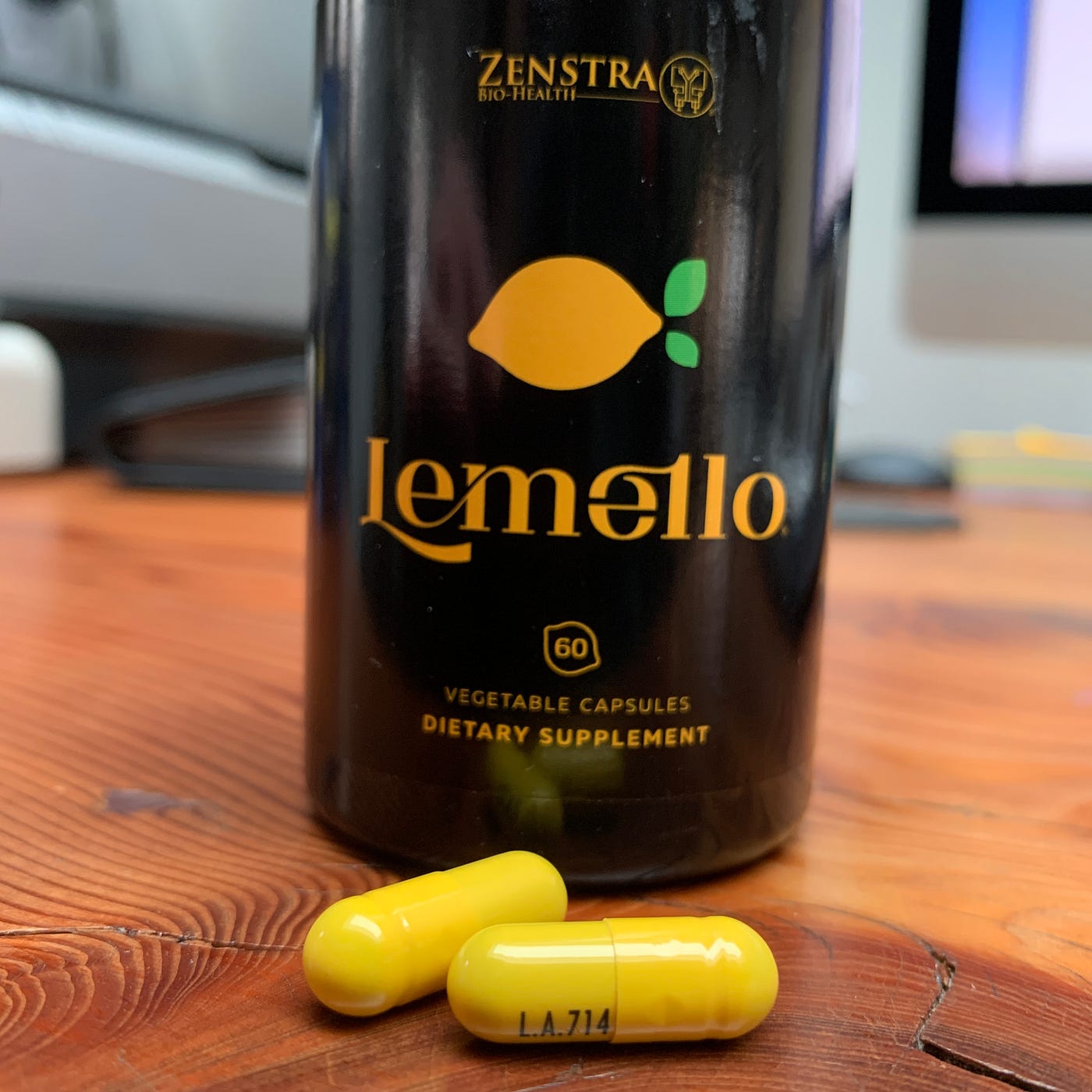
4. About half an hour before bed: a couple of Lemellos.
These little all-natural capsules take the edge off the white noise of anxiety and worries safely, and without any after/side effects (and no dependency issues).

5. I’ll have my earphones next to me in bed in case I wake up, and if I do I’ll listen to some rain sounds (very soothing, especially for someone like me who loves any tale beginning with ‘it was a dark and stormy night’) or do some breathing.

They both sound a bit clichéd, but there’s a reason for that — they work!

Remember: this is just what’s worked for me, over two years or so of trial and error, and changing one thing at a time then observing the result. Some of these might work for you too. They might not, but give them a go!

Hope it helps.

Sleeping…but awake...but OK with it, actually. ©Sarah J. Coleman

Friday, January 22, 2021

Why I don't do competitions.


~ New York Society of Illustrators Awards, 2008 (two prizes) ~

I'm at the tail end - seeing the 'light at the end of the tunnel' - of making a brand new website, starting totally from scratch and focussing on all the things that are currently missing from the current one. 

I've been meaning to do it for a couple of years, and much as I adore social media for sharing and enjoying each other's work, there's nothing like an online Mothership for telling the world who you are and what you like to make; a central place where I can put everything that's 'me'.
In the course of doing this, I chose to re-visit my FAQ section and where necessary (which as it turns out was 100% of all of it) write my thoughts afresh. After all, the types of questions I get asked have changed in nature, and mostly now come increasingly via Instagram messages and Twitter messages rather than via email, as they used to.

FAQs feel a little 'noughties', but they remain useful: it's still the case that most of the things I get asked are similar in nature and are thus given a similar answer. Though I'll endeavour to answer EVERY query I receive, as soon as I can, there's still an argument for having a 'first line of defence' which provides the answers to the most commonly-asked questions, so that the enquirer can check there first and if necessary, compose a more granular question to fire my way.

One of the answers that remained pretty much the same was this one. I expand on it here as it's something I've been meaning to elaborate on for a while. This is that 'elaborated' version.


------------------------------------------------------------------------------------------------------------------------

Q: I don’t see any awards or gongs on your website, why’s that?


A: I do have some, but they’re not on the site. I honestly don’t think they’re that important, or would influence whether a client thinks I’m suitable for a job. A client will look at the style of my work, the colours, maybe the medium; they'll look at my profile in terms of whether I've created work of this nature before, and if I haven't, they'll ask whether the work on show suggests I could take a run at the project they have in mind. Finally, we'll talk, and they'll assess my availability, process and timescales, and finally-finally decide whether I should do the job (or, it might be me that makes that decision).

Never in my working life of 27 years have I been asked by a client, or any of my agents, whether I've won competitions, or whether I have prizes or awards. Yes, there's a lot more to committing to a creative vocation, as it can be more than 'just' your profession, job or trade, and a client or agent asking this question is not the only set of circumstances in which competitions might be relevant to that vocation. In an educational setting, for example, doing well in awards might be part of a wider landscape of professional achievements being sought out, alongside qualifications and experience, especially where an institution has a policy of putting students into competitive settings.

But I don't feel they've ever played a part in my myriad clients' decisions to hire me for jobs, nor do I feel they should.

Of course, I'm not saying NO-ONE should enter competitions, or that they shouldn't exist. Not at all; that's up to the individual. But I know that from the very beginning - starting in the second year of university - the pressure was on to compete: with each other, and with total strangers, by entering competitions, and with ourselves. The latter I had no problem with - putting pressure and high expectations on myself is something I've carried about in my 'holster of burdens' all my life - but the first two, competing with my peers, friends and colleagues or people I'd never met - always felt a little off, and distracted from the main focus of being in the educational environment: to experiment, play, evolve, develop, and learn.

That's not to say our course wasn't abso-fucking-lutely hardcore. It was. 9-5, 5 days a week, with stuff to get done at weekends and every single holiday; 26 fully completed, handed-in projects in the first 11-week term alone; crits every week and a ball-breaking amount of written work to go alongside it all. The pressure from that was enough, without a tutor arriving with a pile of photocopied competition briefs ready to add their name to the winner's certificate as 'supervising member of staff'.

The weird thing is I had a love-hate relationship with competitions. I hated the pressure, and my friend and I would quite literally break into a run in the opposite direction from a tutor striding down the corridor with what was so obviously going to be another competiton for us to enter. But I also loved the challenge. I hated pitching myself against my colleagues, but I loved the thrill of everyone disappearing to their rooms every night and scheming on a solution, knowing we were all doing it at the same time and to the same deadline: what would Simon's work be like? How would Mel answer this one? Is Michelle going to go for gouache, or try something else?

And I won things. I entered competitions and I won them, or got runner up places, or some other kind of recognition because of them. And obviously, I loved that, too. 

But alongside those positive feelings was the uneasy awareness of an inflated sense of security, the success feeding the erroneous notion that I might have 'made it', before I'd barely begun. In fact, the 'success' I was having generally on the course and via competitions caused me to have the closest thing I think I've ever had to a little breakdown, coming home one Christmas and declaring that I was spent, all my ideas were gone, I'd done all my best work and how on earth was I going to be able to carry on from here?

It was silly of course and, as my Mum very quickly realised, I was just exhausted and a bit emotional at being home. TV, sleep, tinsel and good food quickly sorted out my terrible twenties angst.

But competitions entered later on, as a working professional, continued to make me anxious with a big dose of self-doubt if I didn’t get anywhere, and when I did do well, I could feel the outcome giving me that same inflated sense of security and maybe a little internal gung-ho. Perhaps, I thought, success in competitions meant I didn't need to try so hard, all the time, because a group of people I've never met have decided my work ticks a set of boxes, or it's been passed in front of the subjective opinions of five different people. And if I entered and got nowhere: the opposite: maybe I'm a fraud. Why am I even trying. Why do I bother. Am I actually a failure and everyone else can see this but me.

Note those were statements, not questions: all those evil, niggling little dialogues spoke up because I'd thrown my work into an unknown vat of work by a hundred or thousand other people, which didn't scratch the particular itch of whatever the judges were feeling on the day.


I continued to enter competitions, but over time I started to become totally ambivalent about them. Those tended to be ones I'd paid to enter - and that scenario made me uncomfortable, too. WHY was I ambivalent? If I didn't care about the outcome, why was I bothering to enter? I realised it was out of a sense of duty, and very much born from the notion that 'that's what professional illustrators do'. And we don't, not all of us, just some of us. Competition gongs are most robustly not a signpost that you're a working, professional, busy illustrator: they're just a sign you like entering competitions.

Coupling all those realisations with the fact that I was paying hard-earned quids to enter, knowing that in some cases thousands of people would be paying the not-terribly-modest entry fees (with winners paying additional fees to display work on top), and my decision came into focus: just don't bother. The time I would spend choosing work, formatting and uploading it and filling forms online could very much be spent doing something more productive - something with a definite, positive, guaranteed outcome, like a piece of work, or doing some admin, or cooking something tasty, or reading the book I'd allowed to get dusty through repeated late nights working, even if just for the hour it took to enter that comp. (And where were all the fees going?)

Even during my many fun hours spent being a competition judge, I would struggle to reach a decision and, channelling my early-career experiences as a lecturer, I wanted to write to every single entrant and tell them something positive about their work, along with a suggestion or two on how they might improve. But I had to pick a first, a second, a third. I loved the process of looking at all the wonderful work, and I'd do it again, but I felt mindful of all the entrants' reactions whether I were to award them or not. So I finally made the decision to stop entering competitions myself a few years ago. If I was happy with a piece of work, and my client was happy with it, then it ended there.

And that was that.

Some people love entering competitions every year, but not me. I get the round-robin emails of this competition opening and that deadline looming, and I don't feel tempted to yield. Years after deciding to ease back from them, I have chilled a little, and instead of a blanket ban have narrowed it down to one illustration competition I’m happy to enter now, which is the V&A Illustration Awards, run by one the UK’s oldest institutions. I don't make myself enter every year, my policy being only to enter something when I feel it would sit well in the setting of the organisation, and alongside company that that competition attracts. The process of surveying a year's work and identifying something to fit the brief is a useful and contemplative exercise, whether I win anything or not, and allows me an opportunity to ponder my trajectory, the historical world of illustration, and my place within it now, and in future. 

And of course, despite my decision-making, I totally reserve the right to enter anything I feel like, at a moment's notice - but only after I've run the full-body diagnostic of 'why' - what's compelling me to enter, and can those needs be met by an alternative course of action? I heck myself for signs that I might be being tempted by the dangled carrot of an ego boost, or a need for some professional reassurance, and think about what it is I’m really after.

Nice as competitions can feel, making a living as a freelance illustrator is competitive enough. It took me a while to realise I don't need a list of prizes to tell the world how much I've invested in the profession I love, and how much of my soul is already, in fact, shaped like a little yellow pencil.

  
A very, very old home-made website page! Back when I was a super-keen Dreamweaver.


Tuesday, March 17, 2020

Working at home for the first time? I’ve done it for the last 26 years. Here’s what works for me!


If you think about it, you’ve done working from home before. It’s just like school homework: you’ve got stuff to hand in to people in authority, who probably have the power to tell you off or at least be ‘disappointed’ in you, it’s got a deadline, you’ll eventually be in trouble with your family if you don’t do it, and ultimately there’s a reward at the end (a good mark, or, as a working adult, cash).

I could tell I was cut out for working at home quite early on, from growing up in a noisy, busy household with two smaller siblings, one substantially younger, who could raise noise levels to an impressive quantity of decibels and move around the place like loud, fast ectoplasm. Throughout, somehow, I was always able to zone it all out and practise my organ playing in the middle of the living room, headphones somehow shielding out both the noise and the visual distraction. In a modest-sized house of five energetic people and some pets, I could write or draw quite happily at the epicentre of the gleeful sh*tstorm of bustling family life (as long I as tidied up afterwards).

So as people around the world move to doing their work in their homes, many of whom might never have done it before, here are the handful of things that have worked for me. You might like to do things differently, but this is my code for working life, and the first time I’ve written it down. Remember: you can do it your own way. But I offer this to you in the spirit of welcoming you to the growing, curious home-working squad!


1) Getting up.

If you've had to be at a place of work at a certain time for a decent amount of years. your body clock will be set. I don’t see any reason to change this. But if you can, you might like to factor in that any commute you had is now reduced to a flight or two of stairs, or a walk from the kitchen to the front room, and adjust that morning alarm accordingly. Extra sleep is good and it supports the immune system. You can still be at work at the same time. Win!


2) Clothes.

i) For years and years I was told it must be great to work at home ‘because I can do it in my pyjamas’.

No, nope, and thrice nope.

If I’m going to work, I need to feel dressed accordingly. I try to choose clothes which suit ‘who I have to be’ that day - if there’s a client call scheduled, I need to *feel* smart and sharp - whether they can see me or not. That’s all about how *I* feel, not about impressing anyone. If I’m doing mucky print work, comfy clothes under the apron set the scene. If I know I‘m going to be doing mainly accounts and admin, often the most simple black clothes feel best. If I’m doing a school or college talk, speaking at an event, then the ‘artist must be seen to arrive’ - so on with my most anomalous earrings and bold clothes! - and the same actually applies to my radio shows, even though you can’t see me. 

This doesn’t always work out. Sometimes I’m lazy and just bung on what I wore the day before, or the thing I want is in the wash - but. Dressed. Always.

ii) I do the makeup, and the jewellery. No-one but my partner or accounts lady might see me, but a lot of my nice stuff would just go unworn if I saved it for times when there are other people around, and that’s a shame. It’s a bit like costumes - I’m dressed for the part. I need to be awake and ready for what’s coming my way.

iii) Whatever you put on, the point is you’re up and about on your feet and have already made the declaration that ‘you’re at work' - to yourself, and to anyone else who might be around.
(This works at the other end of the day too - ‘getting home’ now means declaring yourself finished for the day, with the delicious symbolic move to chill garms, or, if you want to just take it straight there, the jamas.)


Basquiat Socks...

...and tiny pencil earrings. Accessorise for productivity!


3) Breakfast.

Eat it. Start the day right! A bowl of porridge and a discussion about the day ahead sets the scene and girds the loins for WORK.
[Not strictly a working-from-home tip, more a general good-for-you tip.]


4) Washing up, laundry, dusting. Etcetera.

Two ways to handle this.
a) Ignore it. It WILL wait for you to ‘get home from work’ because it did before. Just because you can see it now, it doesn’t mean it’s suddenly vital to DO it now.
b) Do it now. If it’s going to be a nagging distraction in your peripheral vision all day, get it done. Shut it down.
Some days (like deadline days) you’ll have no choice but for it it to be a).
Other days, together with sharpening the pencils, organising the desk and polishing the Mac screens, that little household job will just be part of ‘clearing the decks’ ready for THE WORK, and it’ll be b).

You’ll soon get a feel for which days are which!


5) Interruptions.

It will be clear that the other humans, small or big, who live with you will continue to talk at you, ask decisions of you, think aloud, and so on.
Other friendly humans who do not live with you may assume it’s OK to just pop in, or phone.

For years I struggled with saying ‘I’m at work’ when in fact I am ‘at home’. The latter, however, refers to location; the former, to a state of mind. I began to say things like ‘I’ll be leaving work in x minutes’ or ‘I’ll be free at lunchtime’, when in fact I can of course technically be ‘free’ almost at any time I choose. 

But again; being ‘At Work’ is a declaration, not a location. It’s perfectly all right to tell people that, and be kind but firm about giving you some space while you’re trying to focus. If there’s something they need you to chip in with - a decision, opinion, or a little task - explain you can’t give it your attention now but you can at lunchtime, or in an hour’s time, over over dinner, then the other human(s) will be able to chill in the knowledge that stuff’s still going to get done.


6) Appointments and Errands

You’re now free to book appointments at any time of day or day of the week, rather than just say post-6pm or at weekends.
As with 4), there are two ways to look at this. Either works!

a) Continue taking the appointments outside of your traditional working hours.
This keeps your precious working hours clear of interruption.

b) You’re now in a position to take an appointment in the middle of a Tuesday afternoon, or a Thursday morning, for example, when other people might struggle to make that one. So take those, and free up space during the most popular times for those who need them. In addition, you can help keep small businesses busy down the week - the person who does your nails, the barber, etc.

As with the other points, your own schedule/workload will ultimately dictate which approach works best.


5) Social Media

If it’s a necessary part of the job, do it. Do your work-based social media in ‘work time’.

While you're there, do your personal socials if you want to as well - you’ve opened the app after all, and better to shovel that photo online now than re-open the app again in half an hour’s time…or five minutes’ time…and five minutes after that.


But don’t get into the scrolling. I’ve learned I have to be one of those people I used to think of early on as ‘selfish’ - prep your content, get online, post your posts, quick scan of the horizon to check for direct messages and work-related questions, ignore the rest and get the hell out. I don’t think of that as selfish any more, because working time is precious and the distraction potential is a WILD and sometimes untameable threat. Later in the evening, when the telly programme’s finished, we’ll have a good old scroll and thorough interacting session - like having a good scratch. I enjoy it much more, and savour it.

(Note: I know when I‘m getting tired, because I feel the urge to just go online and have a mindless wander. This CAN be good for the brain - like an unscheduled little logging-off, ironically - as long as you come back into the room. My first few years working happened in world without the internet, and I can still remember what that was like - I could be profoundly distracted by a book, or a magazine, or sleeve notes, but once they’d been read, that was it. They didn’t change or update when you picked them up half an hour later.)

PS: sometimes I fail, and the scrolly-scrolly happens. I let it go. But just because you can, don’t let a sneaky habit form.


6) The News.

Particularly now, it’s hard to curb the urge to look.
But think of it like a newspaper that’s delivered - check in the morning, maybe with that porridge. Then fold it up.

Lunchtime too, if you want.

It can’t punctuate your working day though - the effect on the brain is damaging as it tries and fails to fully address so many topics and tasks at once. But those spikes of anxiety can as easily come from NOT looking as they can from looking - so being realistic and gentle with your need to be updated is the way, for now….but once past the main headlines, just watch out for the scrolling.


7) Lunchtime.

Eat. Do the day right! 
[Not strictly a working-from-home tip, more of another general good-for-you tip.]

A nutritious lunch and a discussion about how the day’s going (with whatever other humans share your space) helps the flow, in every way, rests the eyes, the pencil hand, and the brain. it doesn’t have to be an hour, if you’re the busy-busy type - or the type who prefers the 2hr Spanish mode of lunching. Stopping to prepare food can be useful swerve for the brain too, swapping tools, changing location in the house and altering depth of field. It can be a little creative exercise that’s different from the one you’ve been doing all morning. If you went out to get some lunch every day at the office, then providing that’s possible, you still can. 

But move away from the desk/screen/work area to eat it.
I did not do this for many years, and hardly noticed my food going down. I didn’t necessarily do anything useful or productive while I was scoffing at my desk anyway. So I eventiually packed it in, and eat at the dinner table now - the NON-work table.

By the way, lunch doesn’t have to be 12, or 1, or the same time every day. Ours is often 3, or 4. But it’s quite important to be hungry and ready for your dinner…so you don’t eat too late, and then lie awake trying to digest…which has knock-on effects for the next day.

If like me you could eat whatever is put in front of you at all times of the day and would probably just eat continuously till someone Took It Away From You, see point 8.

FUEL FOR DRAWING.

8) Drinking.

Tea, coffee, whatevs. Doesn’t matter.

But keep drinking. If there’s no water fountain/drinks machine/colleague nipping out to the coffee shop/coming round with a tea trolley (if only) it’s easy to go on and on without thinking about having a drink, particularly when immersed.

By the time you notice you’re thirsty though, the damage is already done and your body and brain are dehydrated; it makes itself known via a fuzzy head, tiredness, lack of concentration and focus, sometimes a headache. It can be mistaken for hunger, too (put the biscuits down). Constantly sipping on water is best, but providing it’s not a parade of espressos from 9am till ‘home time’, just having regular drinks is wise.

A sound habit is to have a large container of water on your desk with the aim to finish it, and maybe another one, by the end of every day. Just don’t knock it over (*voice of tired experience*).

Caffeine I’ve personally curfewed to 2pm. Having finally found my taste for the power of caffeine, years into my time on the planet, it’s since taken more years to figure out it was disturbing my sleep if drunk after that time.

But it feels nice and work-y to have a proper coffee at 11-ish. And maybe one right after lunch, if that’s not happening too late. In the same cup every time. Everyone’s got to have a work mug, right? (Well actually I‘ve got two; Little Barrel, and one with pencils and a mole on it).


9) Exercise

It is vital. Where you might have walked to work, or for a bus, or to the train station, or fulfilled your step count walking round the office or into different departments, you won’t be doing that sort of incidental exercise if you’re working from home. What you choose is up to you - but if you like it, you’ll keep doing it! My current system is walking to a nearby gym early in the morning so that the exercise is done and dusted for the day, with Big Workouts on Saturdays and Sundays, and one rest day, but I try to keep it flexible. 

If visiting a gym isn’t possible, there’s the warming, flexing wonder of yoga - which depending on the combination, rapidity and intensity of poses you choose can be just as burn-y as a cardio sesh - along with a plethora of online systems, both the sort you buy into (Joe Wicks for example) and the kind you just follow for free on YouTube. A yoga mat and a bit of gym gear is all you’ll need unles you fancy putting an order in for some kettlebells that you can wang about any time you feel like it.

This article has some tips!

Along with that, sitting in a chair for a long time means STRETCHING is important too. Yoga works for this, but just getting up and touching your toes, a few cat-cowsdownward dogs and head-rolls can work wonders to break that stiffening stillness.

This is in no way my area of expertise; but I do know is how vital it’s been to me for for two and half decades (see this blog). The added bonus is that if you’re stressing about deadlines and pressure is bearing down on you, there’s no mental white noise/BS that can’t be crushed by twenty minutes on the grappler, or attempting a monster deadlift. Getting outside has become something of a cliché in the myriad piles of advice for sound mental health, but it really is true: a walk out in the daylight works wonders for clearing the inside of your head, forcing your eye muscles to move differently, look further afield - literally and metaphorically - and take in more oxygen.

Ready to CRACK SKULZ (metaphorically)


10) Home Time

This is where I’m most flexible. It can be whenever you want. Only you know how much you need to do that day, and when small people might need collecting, etc. 

But perhaps the most important thing is to keep as in sync with the rest of the working world in your geographical location as possible. You want at least 3-4 hours at work where you’re in tandem with ‘everyone else’ - so even if you can only manage core hours of, say 11am-3pm, you’re still going to up and about and busy while others are. This is particularly relevant if you’re a natural night owl; you might well be able to do your best work at 1am, but long-term it has knock-on consequences (THIS I KNOW from experience!)  - and when a new kind of isolation is looking to be a factor in most lives for a while, knowing you can chat with people who are at work at the same time as you is really important for staying grounded.

If you do decide your modus operandi is clean and firm end to the working day, stick to that. My bedtime is drastically earlier than it used to be, and the benefits have been profound. (Also, refer back to section 2) point iii).)

Mariella Frostrup is responsible for my favourite quote on the subject. I have to paraphase as the original wording is lost, but she spoke about the societal trend for bragging about how long one had stayed at work, whereas she preferred to show off about getting all her jobs done with an hour to spare and spending it reading at her desk. Goals! I thought. (Still working on that one).

PLAYTIME. I've discovered what all the kids already know: hitting some skins to a Slipknot track will drive out most of the day's demons (or at least, trying and failing spectacularly)

This is everything, though if I think of a salient additional point I’ll add it. To many people these things might be obvious, but they may help with a first-time/long-term homeworking adjustment in this weird and unsettling situation we’re in.

Best of luck with it all!


LinkWithin

Related Posts with Thumbnails